Email
info@sokingtech.com
HKS-P09A Cold Plasma System: A B2B Guide for Skin Care Businesses
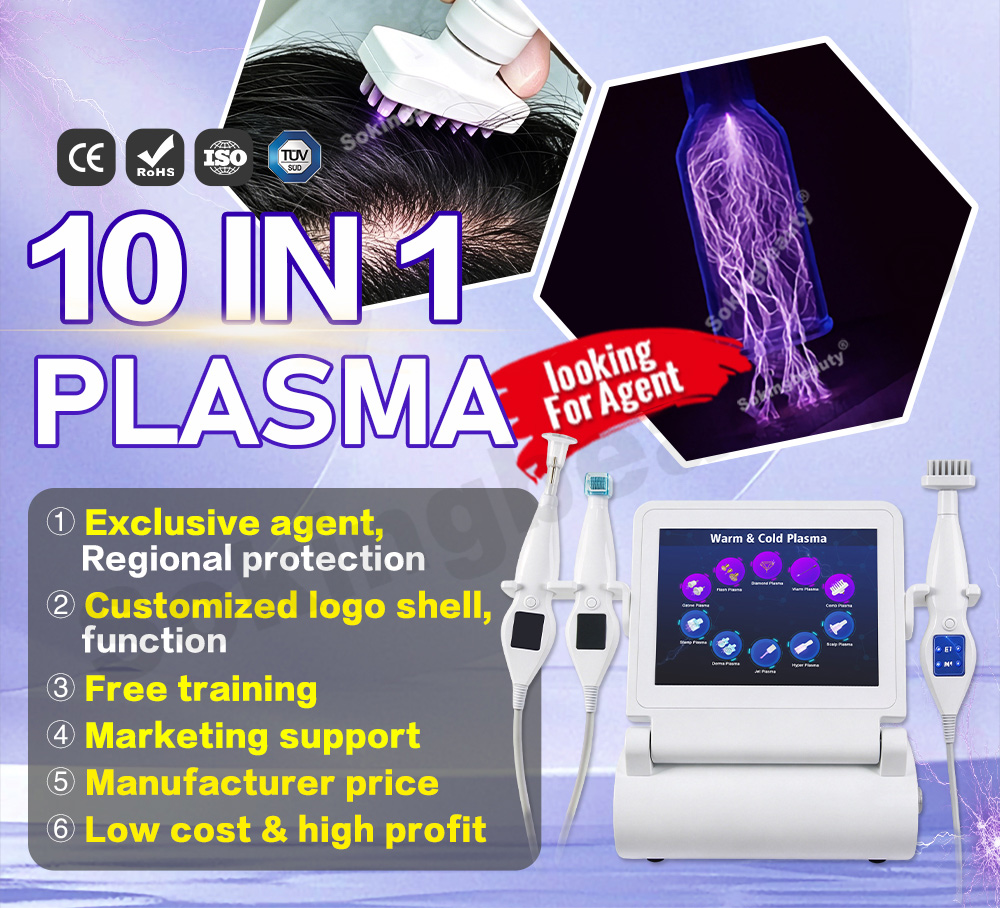
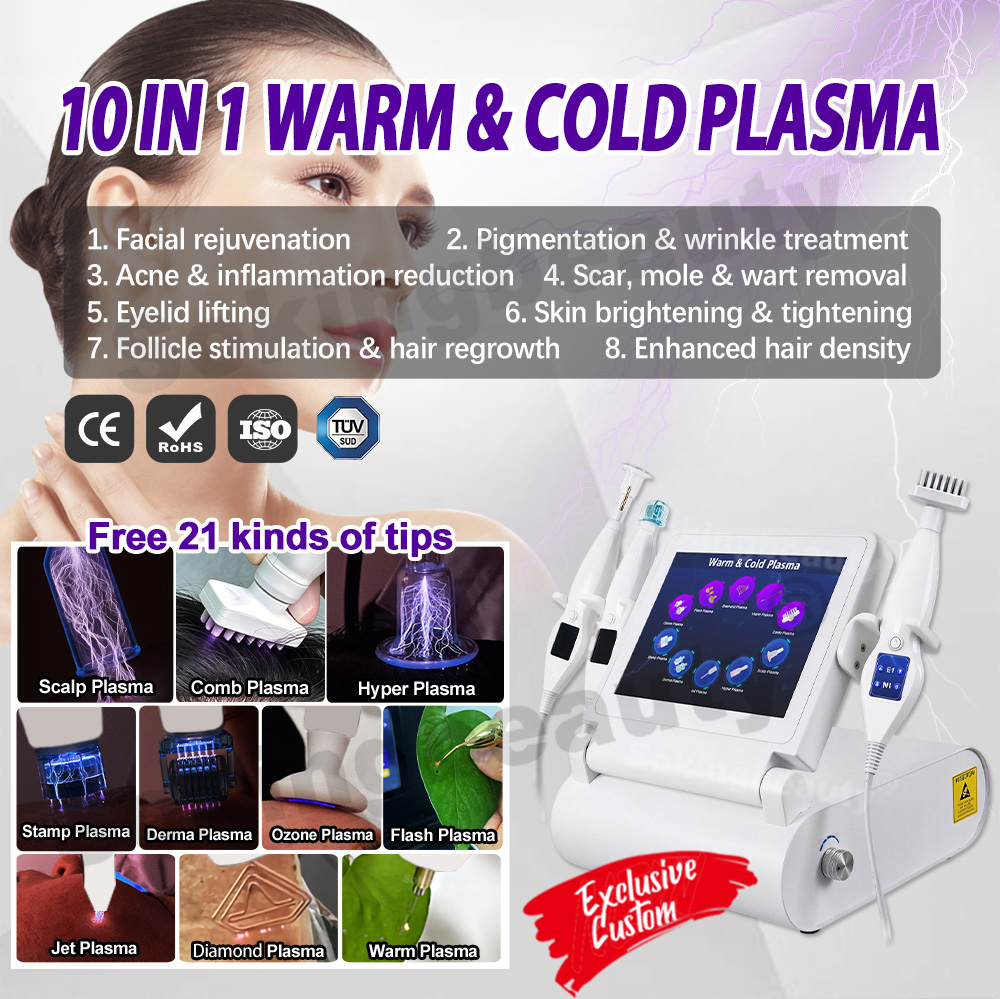
For distributors, salon owners, clinic purchasing teams, and private-label partners, the HKS-P09A cold plasma beauty equipment platform offers a structured way to add a professional skin care service. This guide explains how to assess the equipment, plan daily workflow, train operators, document consultations, request missing specifications, and build a practical after-sales process. Buyers should use the supplier's current documentation and local business rules when finalizing a service menu.
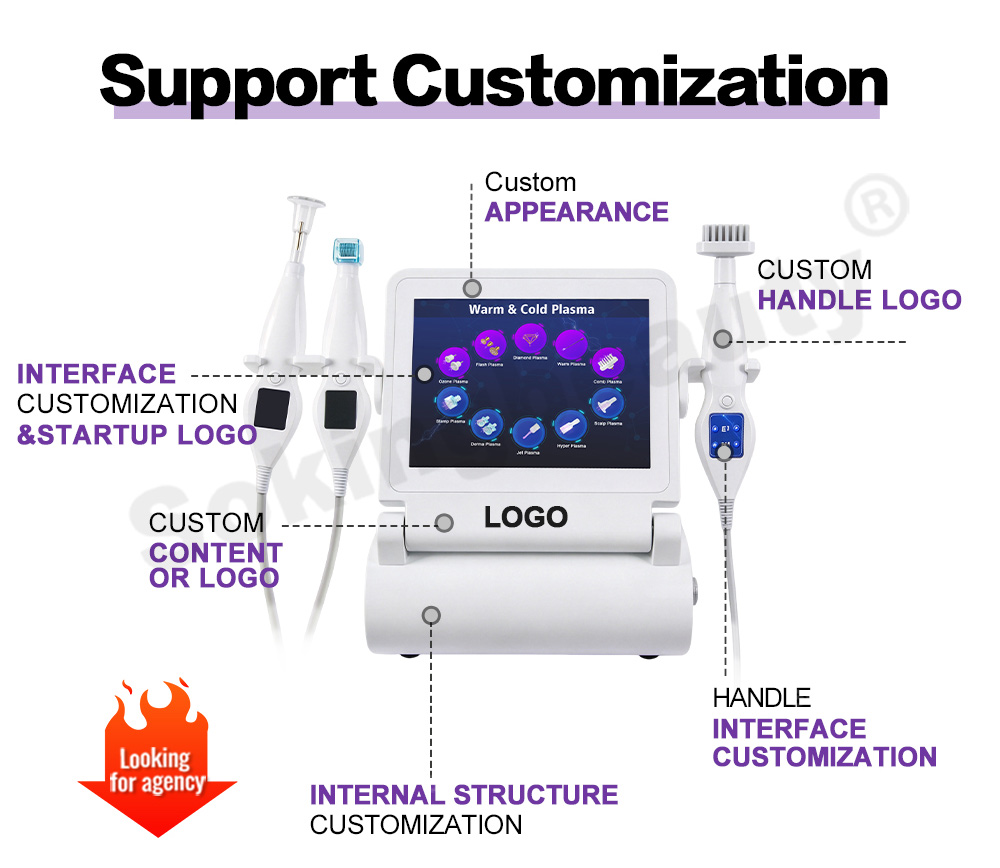
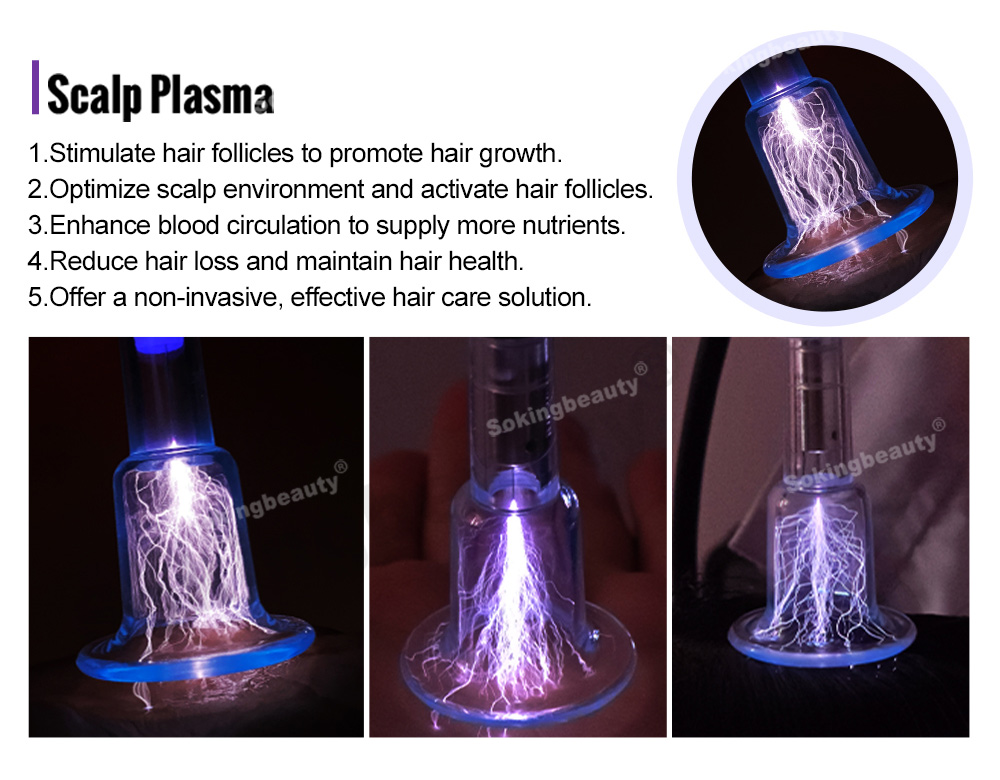
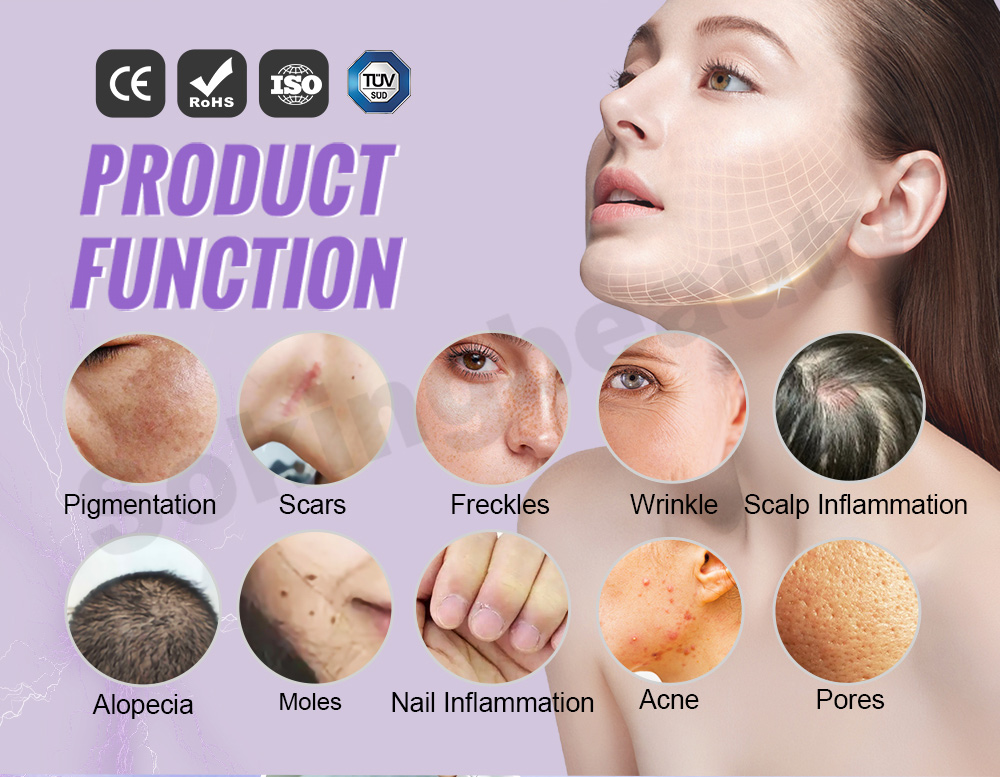
HKS-P09A is positioned as cold plasma beauty equipment for professional skin care environments. Its commercial value is not a single headline claim; it is the ability to create a repeatable service with clear preparation, controlled operation, and documented customer communication. A salon may use it as one step in a facial menu, while a clinic or distributor may build a dedicated demonstration and training package around the platform.
Keep the product message practical. Explain the device category, intended service context, included accessories, operating sequence, and support route. Do not add technical values that are not confirmed in the quotation or user guide. If a buyer needs output range, operating modes, power data, working temperature, consumable information, electrical configuration, packing dimensions, or application limitations, ask the supplier for the current written specification before publishing a sales sheet.
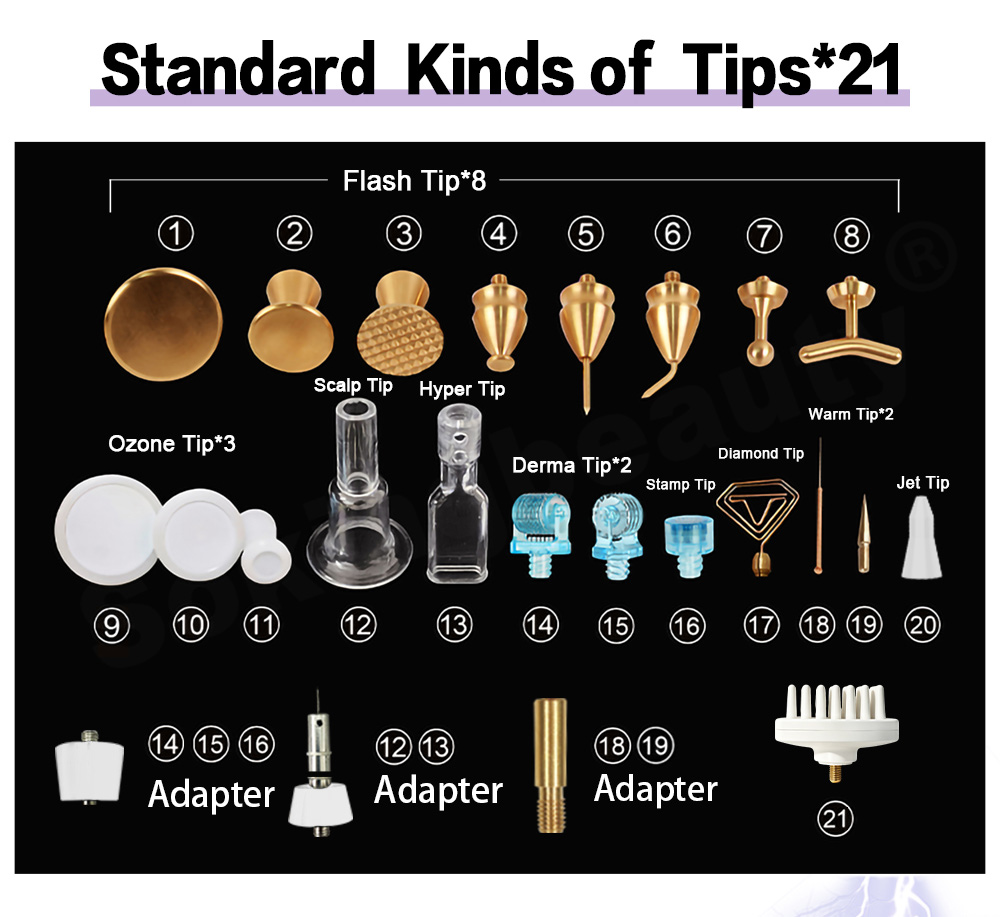
Begin by describing the business: number of rooms, expected appointments, operator experience, service area, counter or trolley space, and target delivery date. Request a formal product sheet, complete packing list, current user guide, accessory list, warranty terms, spare-part route, maintenance guidance, training options, delivery schedule, and approved product images. Confirm whether the quotation covers freight, installation guidance, remote instruction, replacement items, and local electrical requirements.
For a distributor or multi-branch group, use one comparison form for every location. Record branch contact, address, room layout, operator count, planned launch date, training date, equipment handover, and escalation contact. Ask for serial or order record requirements and the format recommended for service reports. When information is missing, mark it as a buyer question rather than filling the field with an assumption.
Define the service concept, review the written product information, compare included items, confirm commercial terms, request a demonstration or operating explanation, approve the branch checklist, schedule training, and then arrange delivery. Before a wider rollout, run a supervised opening period and collect operator questions. This process helps a purchasing team separate confirmed facts from items that still need supplier confirmation.
A reliable appointment starts before the device is switched on. The operator prepares a clean work area, checks the equipment and accessories against the store checklist, reviews the customer consultation form, and explains the planned cosmetic-care sequence. Confirm that the customer understands the service description and the normal aftercare guidance used by the business. Keep the room layout simple so that cables, accessories, records, and cleaning supplies are easy to manage.
During the session, follow the supplied operating guide and the approved internal procedure. Use the selected application area and maintain clear communication throughout the appointment. Record the date, operator, selected routine, product or accessory used, customer comments, and follow-up plan. A consistent record improves team handover and gives the support team useful context if an operating question appears later.
At closing, follow the written power-down, surface-care, accessory-storage, and room-reset steps. Review consumable stock, note any unusual message or question, and complete the customer record before the next appointment. Managers can review these records weekly to identify training gaps, scheduling issues, or repeated questions about the service explanation.
Training should combine product orientation, supervised practice, customer communication, hygiene routines, and documentation. The operator should be able to identify the main unit and accessories, prepare the work area, read control labels, follow the approved sequence, finish the record, and escalate a question without opening the unit or changing an unconfirmed setting.
A useful program uses short modules: equipment overview; room preparation; consultation language; operating sequence; accessory handling; cleaning and storage; customer feedback; incident escalation; and service records. The trainer demonstrates once, the operator repeats the process, and the manager signs a competency checklist. Retain attendance, training date, trainer name, and the version of the guide used.
Keep the current user guide, quick-start sheet, cleaning checklist, consultation form, service record, troubleshooting route, supplier contact, and warranty instructions together. Distributors can issue a controlled digital pack and keep one master copy for updates. Refresher training is useful after staff changes, a new accessory, a revised supplier instruction, or a repeated customer-service question.
Good reporting turns each appointment into useful operating information. A consultation record can include customer objectives, service explanation, selected routine, operator, date, customer comments, and follow-up timing. Use plain language and keep the description aligned with the supplied product documents. The manager can review aggregated records to understand appointment demand, operator questions, accessory usage, and customer feedback without making unsupported technical statements.
For a distributor, a shared report can track quotation stage, order reference, delivery, installation guidance, training completion, branch readiness, open questions, and support status. Ask the supplier which serial, batch, or order details are useful when a case is raised. This makes communication faster and reduces guesswork between purchasing, sales, and technical teams.
Bulk and OEM buyers should send a clear written inquiry. Ask about minimum order quantity, available branding, label and manual options, packaging, accessory configuration, sample approval, lead time, payment schedule, inspection process, shipping terms, spare-part availability, training support, and after-sales contact. Request confirmation of which items are standard and which are optional.
If a buyer requires a custom color, logo, language, plug, control panel, carton, or document, list each item separately and request a sample or artwork approval step. Ask for the revision process and the point at which changes affect timing or price. Never treat an unconfirmed OEM feature as part of the standard HKS-P09A configuration.
A dependable support process starts with one named contact and a simple case form. When a branch reports a question, record model, order reference, location, operator, date, operating step, visible message, and actions already taken. Add a relevant photo or video only when it helps explain the question. Follow the supplied troubleshooting path and do not dismantle the equipment unless the supplier documentation specifically permits it.
For several branches, review open cases in a weekly support meeting. Track delivery, training, parts, unresolved questions, and closure notes. Use the same checklist across locations and update controlled copies when supplier instructions change. A short review after the first month can identify whether the service description, room setup, or operator onboarding needs adjustment.
These three genuine product links support comparison for buyers evaluating cold plasma beauty equipment. They are presented as product options, not skin testing instruments.
Request the current product sheet, included accessories, user guide, operating limits, electrical details, packing list, warranty route, training plan, delivery terms, and approved images. If any parameter is absent, ask for written confirmation instead of estimating it.
Prepare the service menu, consultation form, room checklist, cleaning routine, operator schedule, customer explanation, service record, and support contact. Run supervised appointments before expanding the service to the full team.
Include model, order reference, branch, operator, date, operating step, visible message, and actions already taken. Add a clear photo or video when relevant and follow the supplier's response instructions.
Clarify minimum quantity, branding, language, packaging, accessory configuration, sample approval, lead time, payment, inspection, shipping, spare parts, training, and after-sales responsibility. Separate standard items from requested changes.
For quotations, product-field confirmation, bulk or OEM questions, training coordination, and after-sales planning, contact the Soking Beauty team.
Build the launch around confirmed information, trained operators, clear records, and a support route that purchasing teams can use across every store.


 English
 中文
 русский язык
 Español