Email
info@sokingtech.com
Build a clear, repeatable facial-care equipment offer for professional buyers.
This guide brings together cold plasma and oxygen facial equipment considerations for salons, skin-care studios, clinics and distributors. Use the visual references, workflow and purchasing checkpoints to prepare a focused quotation discussion with Soking.
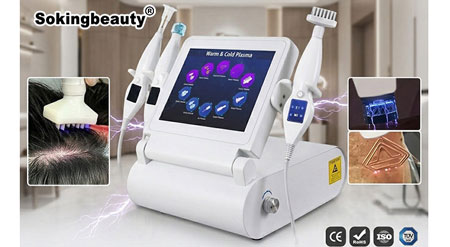
Cold plasma and oxygen facial equipment can help a professional beauty business organize a structured skin-care menu. The right buying decision is not only about the appearance of a device. It is about how the equipment fits the room, how operators are trained, how consumables and cleaning are managed, and how a distributor can explain the offer accurately to a business customer. This article uses the real product and image references available in the Soking Case section to frame a practical B2B conversation.
The equipment should be evaluated against the buyer’s service concept, available work area and intended customer journey. Confirm the delivered configuration, included accessories, electrical requirements, packaging, manuals and destination-market responsibilities in writing. Avoid promising a result that has not been established for the specific configuration. A disciplined brief makes quotation review easier and helps teams prepare before delivery.
A salon may use a compact facial-care station for consultations and scheduled services. A skin-care studio may combine visual consultation with a carefully documented preparation and finishing routine. A clinic can place the equipment inside an existing professional workflow, subject to its own policies and local requirements. A distributor can present a range that includes cold plasma and oxygen-focused options, then match the customer with the product page and configuration that have actually been confirmed.


For a business buyer, the useful starting pack includes the quotation, packing list, current manual, configuration notes, training plan and a receiving inspection checklist. For a manager, add a short competency record covering setup, hygiene, operation, shutdown and issue reporting. For a distributor, prepare a customer handover that keeps product facts, recommended workflow and local responsibilities clearly separated.
Share your market, quantity, room concept and preferred service direction. The team can help you review the current supply scope before you finalize a quotation.
| Checkpoint | What to confirm | Why it matters | Owner | Record |
|---|---|---|---|---|
| Configuration | Unit, handpieces and included accessories | Prevents quotation gaps | Buyer | Signed quote |
| Site readiness | Power, bench space and cleaning area | Supports safe setup | Operations | Site checklist |
| Documentation | Manual, packing list and training material | Improves handover | Supplier | Delivery file |
| Commercial terms | MOQ, lead time, shipping and payment | Aligns launch plan | Purchasing | Order sheet |
| Support | Service contact and response process | Clarifies ownership | Manager | Service record |
 10 In 1 Facial Deep Cleansing Skin Management Omnipotent Device
A broader facial-care option for buyers comparing a multi-service setup.
 8 In 1 Oxygen Jet Peel Dull Dehydrated Skin Water Dermal Infusion Device
A same-category option to review when planning a wider menu.
 Vertical 14 in 1 Oxygen Hydra Dermabrasion Machine
A related equipment choice for buyers comparing an integrated workstation.
For an OEM or multi-unit project, start with a written brief that names the target market, brand assets, packaging preference, language needs, quantity, delivery window and documentation requirements. Ask which changes are cosmetic, packaging-related or configuration-related. Confirm the sample approval process before production and keep one revision record for both sides.
At handover, inspect the shipment against the packing list, store the supplier contact and give operators a supervised orientation. Keep service notes and training records together. When a question arises, report the operating context and relevant photos through the agreed support route instead of changing the equipment outside the instructions.

It is for professional salons, skin-care studios, clinics, distributors and other trained business users planning a facial-care equipment offer.
They can be reviewed as complementary menu options, but the buyer should compare the actual product page, configuration, workflow and quotation rather than assume identical functions.
Confirm footprint, power access, work clearance, cleaning arrangements, supplied accessories and operator training before reserving a treatment area.
Discuss branding, packaging, order quantity, approvals, language requirements and lead time in writing before a bulk order.
Do not assume that. Confirm the exact delivered configuration and included items on the quotation for the specific order.
Training should cover consultation, setup, approved materials, operating steps, hygiene, communication, shutdown and issue reporting based on the current instructions.
Send the destination market, intended quantity, room concept and preferred service direction so the supplier can review the current scope.
Ready to plan the next order? Send your market, quantity and service goals for a practical equipment discussion.


 English
 中文
 русский язык
 Español