
Email
info@sokingtech.com
Build a reliable lymphatic recovery service with a compact air-compression leg massager.
This B2B guide helps salons, wellness studios, sports-recovery centers, physiotherapy practices and distributors evaluate a practical leg-compression setup, with a repeatable workflow and clear purchasing checkpoints.

An air-compression leg massager is built around sequential pneumatic pressure delivered through a leg sleeve or boot system. For a business buyer, the value is the service structure: a dedicated station, a trained operator, an easy-to-explain session flow and a documented handover. Confirm the exact model, supplied sleeves, control method, electrical requirements, packaging and destination-market responsibilities on the quotation before ordering.
A thoughtful equipment plan also protects customer experience. Define who may use the device, how intake questions are recorded, how the sleeve is cleaned, how comfort is monitored and how an operator escalates a concern. Present the equipment within training, applicable guidance and local requirements.
Wellness studios can position a compression station as part of a relaxation and recovery menu. Sports-recovery centers may use it alongside stretching and hydration routines. Physiotherapy practices can assess whether the equipment fits their established protocols and staffing model. Salons and distributors can offer a compact, easy-to-demonstrate option for customers seeking a dedicated leg-care service.
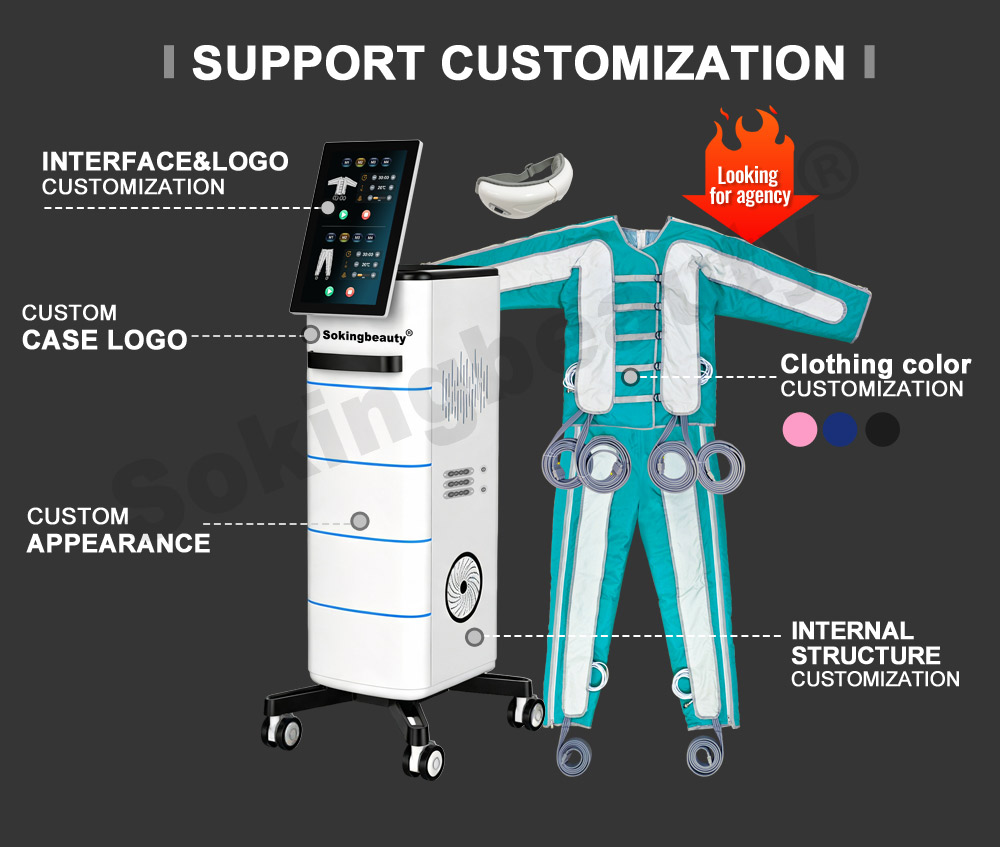
Before finalizing a quotation, share destination market, quantity, branding, room dimensions and customer journey. For multi-unit projects, request a packing list, training materials, sample approval path and after-sales contact in writing.
Send your market, quantity and service concept for a focused discussion before purchase.
| Checkpoint | Confirm | Why it matters | Owner | Record |
|---|---|---|---|---|
| Configuration | Unit, sleeves and accessories | Prevents scope gaps | Buyer | Signed quote |
| Site readiness | Power, seat and clearance | Supports setup | Operations | Site checklist |
| Hygiene | Cleaning method and materials | Protects consistency | Operator | SOP |
| Commercial terms | MOQ, lead time and shipping | Aligns launch plan | Purchasing | Order sheet |
| Support | Training and response route | Clarifies ownership | Manager | Service record |
A same-family category for a structured leg-care menu.
A closely related product page for comparison.
A related option for buyers comparing pneumatic workflows.
For OEM or multi-unit projects, define market, logo assets, packaging, language, quantity, delivery window and documentation needs. Confirm sample approval before production and retain one revision record for both sides.
At delivery, inspect each unit against the packing list, store the supplier contact and provide supervised orientation. Keep cleaning, training and service notes together.
It is for salons, wellness studios, sports-recovery centers, physiotherapy practices and distributors planning a professional leg-care service.
Confirm footprint, power access, seating, cleaning arrangements, supplied sleeves and operator training.
Apply the business intake policy and applicable guidance; operators should follow training and escalate questions.
Discuss branding, packaging, order quantity, approvals, language requirements and lead time in writing.
Do not assume that. Confirm the exact delivered configuration and included items on the quotation.
Training should cover intake, setup, sleeve placement, controls, comfort communication, cleaning, shutdown and issue reporting.
Send destination market, quantity, room concept and service goals so the supplier can review the current scope.
Ready to plan the next order? Share your market, quantity and service goals.


 English
 中文
 русский язык
 Español


